How Homes Are Feeling Right Now
The biggest shift in interiors this year isn't a colour or a material — it's a mood. Homes are being designed to feel something. Here's what's defining the best spaces in 2026 and how to bring it into yours.
For years, the dominant language of interiors was visual. How does it look on camera? Is it clean? Is it minimal? Is it Instagram-ready? In 2026, that conversation has shifted. The question designers — and increasingly homeowners — are asking is different: how does it feel?
Cool greys and stark whites are stepping aside. Rigid geometries are softening. The home is no longer being designed as a backdrop — it's being designed as an experience. This guide covers the six trends shaping UK interiors in 2026 and, more importantly, how to actually use them without your home looking like a mood board.
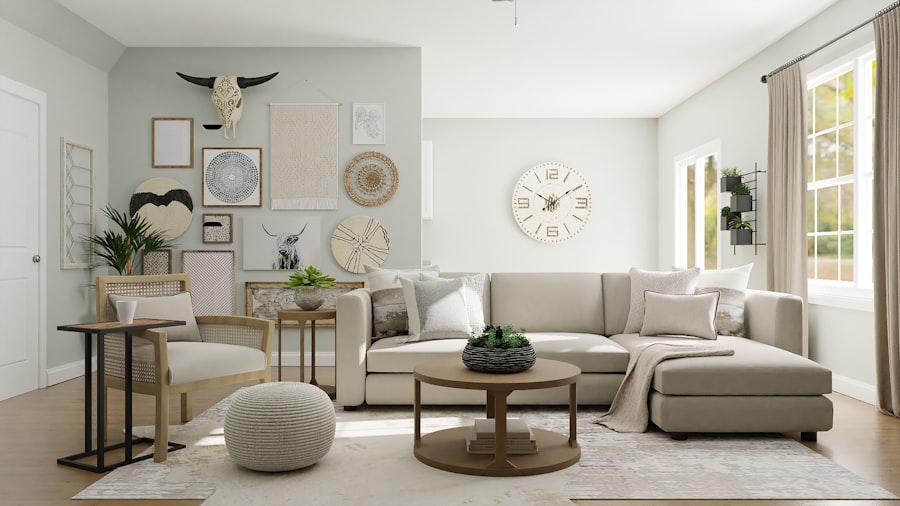
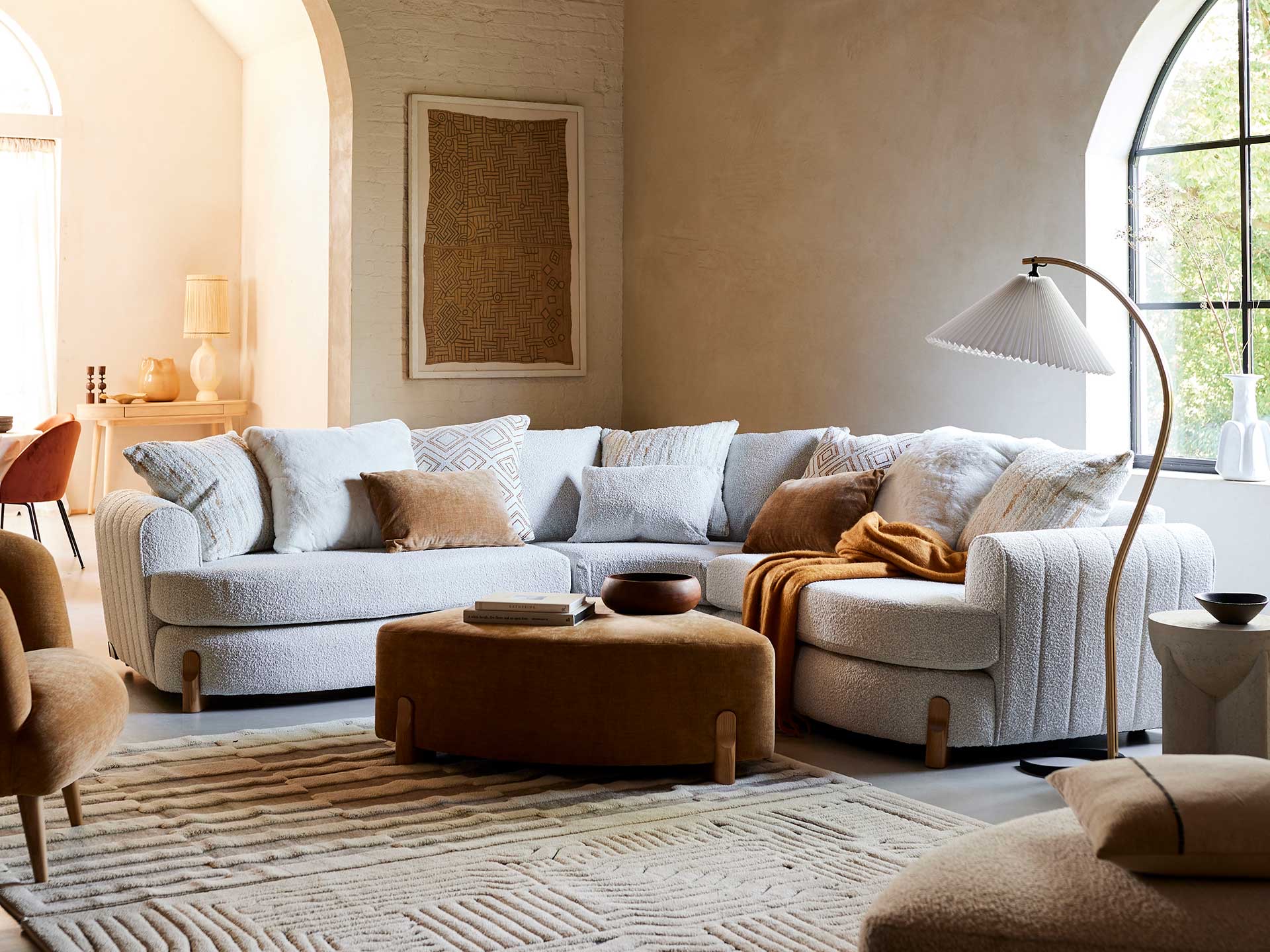
The shift toward warm, layered, and tactile interiors is the defining story of 2026
The Big Mood Shift
The story of 2026 interiors is a story about authenticity. After years of homes that looked polished but felt sterile, the pendulum has swung hard in the other direction. The homes that feel most considered right now are layered, personal, and slightly imperfect — and that's entirely intentional.
Three things are driving this. First, we're spending more time at home than ever, and spaces that look great but feel uncomfortable have become intolerable. Second, wellness — genuine wellbeing, not just candles and plants — has moved from luxury to mainstream, and people want their homes to actively support how they feel. Third, sustainability has shifted from trend to expectation: materials that age beautifully, finishes that develop character over time, and pieces chosen for decades rather than seasons.
The result is a design language that's warm, tactile, grounded, and deeply human. Less showroom. More story.
The 6 Key Trends
These aren't passing fads — each one reflects a genuine shift in how people want to live. Here's what's defining the best interiors in 2026.
```The cold, clinical minimalism of the 2010s is done. In its place: spaces that are still uncluttered and considered, but built with warm woods, soft linens, and muted earthy tones rather than white walls and polished concrete. Structure is still there — but it's been given a heartbeat. Think Japandi with a British sensibility: restraint that doesn't feel cold.
Connecting interiors to the natural world has moved from decorative choice to structural principle. Reclaimed timber, raw stone, limewash plaster, handmade ceramics, and organic textiles are replacing synthetic finishes throughout the home. The goal isn't to bring plants indoors — it's to make the materials themselves feel alive.
Rather than a single accent wall or a contrasting colour scheme, 2026's most compelling interiors use multiple intensities of the same hue to create architectural depth. A living room might layer clay walls, terracotta cushions, raw linen curtains, and a warm oak floor — all in the same tonal family.
Sharp corners and rigid geometries are being replaced by rounded, sculptural furniture that invites you to sit in it rather than admire it from a distance. Oversized bouclé armchairs, curved sofas, and furniture that blurs the line between art and function are defining living spaces this year.
A single ceiling light is no longer enough. The most considered interiors in 2026 use at least three layers of lighting: ambient, task, and accent. Warm-toned bulbs (2700K–3000K) have replaced the clinical cool white of earlier LED adoption — and the difference to how a room feels in the evening is transformative.
As homes continue to serve as offices, gyms, social spaces, and retreats simultaneously, the design response has become more sophisticated. Built-in storage that disappears into walls, modular furniture that reconfigures for different uses, dedicated acoustic zones, and flexible open-plan spaces — function and beauty are no longer in tension. The best rooms in 2026 do more than one thing without looking like they're trying to.
The 2026 Palette
The defining characteristic of 2026's colour palette is warmth — but not loudness. These are colours that envelop rather than shout. Cool greys have been largely abandoned. The new neutrals are nature-led: the inside of a walnut shell, old limestone, dark forest earth, the skin of unpolished stone.
```Cloud Dancer — Pantone's Colour of the Year for 2026 — anchors the palette. It's a soft, creamy white that feels generous and warm rather than stark. Terracotta and Raw Umber are the accent choices of the year — earthy, grounding, and versatile. Olive Grove is the green of the moment: muted, sophisticated, and far removed from the bright botanicals of earlier years.
Use the lightest tones (Cloud Dancer, Warm Sand) on the largest surfaces — walls and ceilings — and bring in the deeper tones (Raw Umber, Smoked Oak, Terracotta) through furniture, textiles, and joinery. The contrast between them is what creates depth.
One technique worth noting: tonal decorating — using three or four shades of the same colour family across a room — is delivering some of the most striking and cohesive results this year. A bedroom layered in warm whites and soft clays feels both rich and restful in a way that no single paint colour achieves alone.
```Materials to Know
In 2026, how something feels matters as much as how it looks. The materials driving the most interesting interiors right now share a common quality: they improve with age rather than deteriorating. They develop patina, character, and stories.
```
Limewash plaster creates depth and warmth no flat paint can replicate
The Materials Defining 2026
Limewash plaster: The wall treatment of the year. Unlike flat emulsion paint, limewash creates subtle variation in tone — no two walls look the same. It breathes, it ages gracefully, and it photographs beautifully.
Unlacquered brass and bronze: Hardware and fixtures in these finishes develop a living patina over time, quietly recording the touch of the people who use them. They look expensive when new and better when old.
Burl and smoked oak: High-character woods with visible grain, knots, and figuring are being specified in everything from kitchen joinery to bedroom furniture. The more expressive the wood, the better.
Bouclé and chunky weaves: Textured weaves — bouclé, heavy linen, chunky knits — add tactile warmth that velvet and plain fabrics don't deliver, and they work across almost any colour palette.
Travertine and honed stone: Natural stone with characteristic pitting and veining is appearing across kitchens, bathrooms, and living spaces. The softer, honed finish is preferred over polished: more grounded, fewer fingerprints.
Handmade ceramics: Mass-produced accessories are being replaced by pieces that show their making. A shelf of considered ceramics does more for a room than any amount of matching accessories.
```Room by Room
The 2026 aesthetic plays out differently in each room. Here's what the most considered spaces look like right now — and the one decision in each room that makes the biggest difference.
```Kitchen
The most striking kitchens this year feature handleless shaker-style cabinetry in deep, muted tones — forest greens, rich navies, warm charcoals — contrasted against raw stone or warm-toned quartz worktops. Islands are larger and designed for people to gather around. The single biggest upgrade: unlacquered brass or bronze hardware.
Living Room
Living rooms in 2026 are being built around a single sculptural focal piece — usually a curved sofa or statement armchair in a textured weave. Limewash walls in warm terracotta or clay tones, layered lighting with a floor lamp and table lamp, and a natural fibre rug anchoring the furniture. The coffee table: raw stone or solid wood.
Bedroom
Bedrooms are designed as genuine retreats. Tonal layering works beautifully here: walls in soft clay or warm white, linen bedding in a slightly deeper tone, a textured throw in the same family. No overhead ceiling light — side lamps only. The effect is restorative rather than functional.
Bathroom
The 2026 bathroom features fluted or ribbed tile in warm stone tones, a freestanding bath or large walk-in shower, a vanity unit in warm timber, and warm-toned lighting. Heated towel rails in brushed bronze. The finish that makes the biggest difference: floor-to-ceiling tiling — it makes any bathroom feel larger and more considered instantly.

Floor-to-ceiling fluted stone tile and warm-toned hardware — the 2026 bathroom benchmark
Home Office
The home office is being designed as a proper room. Built-in shelving and joinery that frames a desk creates a space that feels intentional rather than improvised. Acoustic panels in natural wool or felt, warm task lighting, a quality chair, and one plant that's large enough to matter.
```How to Apply It
You don't need a full renovation to bring the best of 2026's design thinking into your home. Here are six practical starting points.
```Swap cool-white bulbs for 2700K warm white and add one floor lamp. Under £100, and it makes every other design decision look better.
One chimney breast or bedroom wall in limewash introduces texture, warmth, and character without a room-wide commitment.
Kitchen and bathroom hardware in unlacquered brass or bronze delivers a significant visual impact for a fraction of the cost of new cabinetry.
A jute, sisal, or wool rug anchors furniture, adds acoustic softness, and introduces natural material instantly. Go larger than you think.
Remove three things from every surface before adding anything new. Curated is always better than collected.
A sculptural armchair, a proper pendant light, a piece of original artwork. One considered piece elevates everything around it.
"The best interiors of 2026 don't follow trends — they use them. There's a difference between a home that looks like a mood board and one that feels genuinely considered."
What we're seeing in the most successful projects this year is a consistent commitment to quality over quantity, warmth over perfection, and materials that improve with age. The homes that feel special aren't the ones that spent the most — they're the ones where every decision was made with intention.
Whether you're planning a full renovation or simply want to refresh a room, the principles are the same: start with how you want the space to feel, choose materials that earn their place, and resist the urge to fill every surface. The most beautiful rooms almost always have more space in them than you'd expect.
If you're planning a renovation and want to make sure the design is as considered as the build, we'd love to be involved from the start. That's where the best results come from.
Design & Build with Primo Projects
If any of these trends have sparked ideas for your home, we'd love to help you bring them to life. At Primo Projects, we combine thoughtful design with expert building — so your vision doesn't just look great on paper, it gets delivered exactly as you imagined. Whether you're planning a full renovation or refreshing a single room, our team will guide you through every decision, every material, and every detail. Let's start with a conversation.